May 18, 2020
Traffic in Seattle area slowly returning
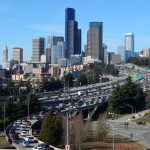
If you’ve left home, you’ve probably noticed. A few more people are on the roads. “We are seeing traffic slowly start to come back,” said Bob Pishue, transportation analyst for the traffic data company INRIX. Pishue said as the COVID-19 shutdown began, traffic in the Seattle area dropped 54%. It’s now rebounded a bit to…
Data Science & Spatial Analysis | Health & Well Being | Infrastructure & Transportation
May 14, 2020
Pandemic gardens satisfy a hunger for more than just good tomatoes

Jennifer Atkinson is a senior lecturer in environmental studies in the School of Interdisciplinary Arts & Sciences at the University of Washington Bothell, and the author of Gardenland: Nature, Fantasy and Everyday Practice. She says she’d get a flurry of responses to her blog posts about pandemic gardening, but she really got interested when she started…
Health & Well Being | History & Preservation | Natural Resources & Environment
The cost of fast and free shipping

Would deliveries dropped off to everyone pollute less than all of us driving to stores? Yes, in principle, but probably not in practice. Anne Goodchild, founding director of the Supply Chain Transportation and Logistics Center at the University of Washington, has found that consolidating deliveries in one area produces fewer climate-harming emissions than the same people driving back…
Climate & Energy | Data Science & Spatial Analysis | Economy & Development | Infrastructure & Transportation
May 13, 2020
What cracked the West Seattle Bridge? Hidden design problem may have doomed it all along
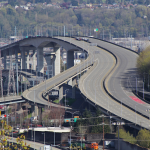
The West Seattle Bridge, closed in March because of excessive cracking, might have been doomed since the day it opened in 1984. City officials have listed several factors that could have contributed to the damage, including more and heavier buses and trucks, a seventh lane added years ago, a jammed rubber bearing that thwarts thermal expansion,…
Design & Building | History & Preservation | Infrastructure & Transportation
May 12, 2020
What do the Airbnb, Lyft, and Uber layoffs mean for Seattle engineering outposts?

Silicon Valley engineering outposts have added an interesting dynamic to Seattle’s burgeoning tech community over the past 15 years. More than 125 of these centers now operate from Bellevue to Belltown, representing thousands of tech workers at companies such as Apple, eBay, HBO, Oracle and Sonos, according to GeekWire data. But in the era of COVID-19…
Data Science & Spatial Analysis | Economy & Development | Innovation & Technology
May 7, 2020
Will coronavirus kill the electric scooter?
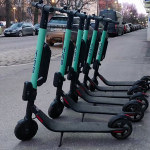
The electric scooter is, depending on your point of view, a dangerous blight of the sidewalk or a marvelous new species of transit that is perfect for the zero-emissions future city. So it’s a cause for celebration — or mourning — that the novel coronavirus is dealing the world’s networks of shared scooters a heavy…
Climate & Energy | Data Science & Spatial Analysis | Health & Well Being | Infrastructure & Transportation | Innovation & Technology
Rethinking the needs of a post-pandemic city

What will the future city look like after the pandemic? As political leaders around the country debate when to safely reopen the economy, city planners and designers have been pondering the implications of the pandemic for the future design of cities. Some suggest reducing urban density, while others predict a second wave of “white flight”…
Climate & Energy | Design & Building | Health & Well Being | Infrastructure & Transportation | Land Use & Planning | Natural Resources & Environment
Coronavirus pushed Seattle to treat homelessness differently. Will those changes last?
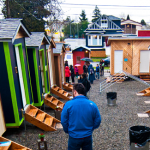
Lola Anderson-Najera finally has a door that locks. After years of weaving in and out homelessness, sleeping “elbow-to-elbow” in shelters and sometimes outside, she’s found a tiny, temporary home. It’s small, but it has a chair to read in, an end table to hold her things, and fresh sheets. Above all, she said, there’s a new feeling of…
Advocacy & Civic Engagement | Diversity, Equity & Justice | Health & Well Being | Housing & Homelessness
May 5, 2020
A timber-based building method draws praise, and skeptics
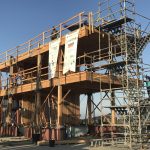
Last September, Washington Gov. Jay Inslee stepped to a lectern in a sprawling 270,000-square-foot factory outside Spokane and declared it the “best day so far” in his six years in office. Earlier that day, he had marched downtown as part of the youth-driven climate strike that united 4 million people worldwide. Now he was in nearby…
Climate & Energy | Design & Building | Infrastructure & Transportation | Innovation & Technology | Natural Resources & Environment
Cities and the SARS CoV2 coronavirus in the Global South: Breaking points in an interconnected system
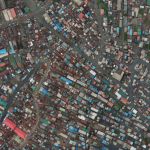
Since COVID-19 first erupted in China in December and began spreading across the world, the pandemic’s early outbreaks have “burned hottest in the richer, globalized quarters of the world linked by busy commercial air routes—Europe and the United States.” (National Geographic, 2020a [website]) Now, four months into the pandemic, compounding factors of urban density and…
Diversity, Equity & Justice | Economy & Development | Health & Well Being | Housing & Homelessness | Land Use & Planning